Digital Twin in Manufacturing: What It Is and How It Works


.webp)
published
June 25, 2026
Key Takeaways
A digital twin in manufacturing is a continuously updated virtual model of a physical asset, process, or system — not a dashboard or static report.
Instead of reacting to end-of-shift data, digital twins help operations leaders act on deviations as they happen.
A digital twin's accuracy depends on the quality of its data inputs — including machine sensors, quality records, and workforce inputs from the shop floor.
AI-enhanced digital twins go further: Rather than just reflecting the current state, they can identify patterns that precede failures and recommend corrective action.
Starting small — one line, one process, one operational question — is the most reliable path to a successful digital twin implementation.
Too many manufacturing decisions are based on lagging data, such as manual logs and end-of-shift (or worse, end-of-month) reports. There's no way to know what difference your choices will make on the shop floor.
Using a digital twin in manufacturing flips that around. Bringing virtual models of what's happening in real time into the decision-making process enables manufacturers to proactively solve problems and test new processes before they're implemented.
What Is a Digital Twin in Manufacturing?
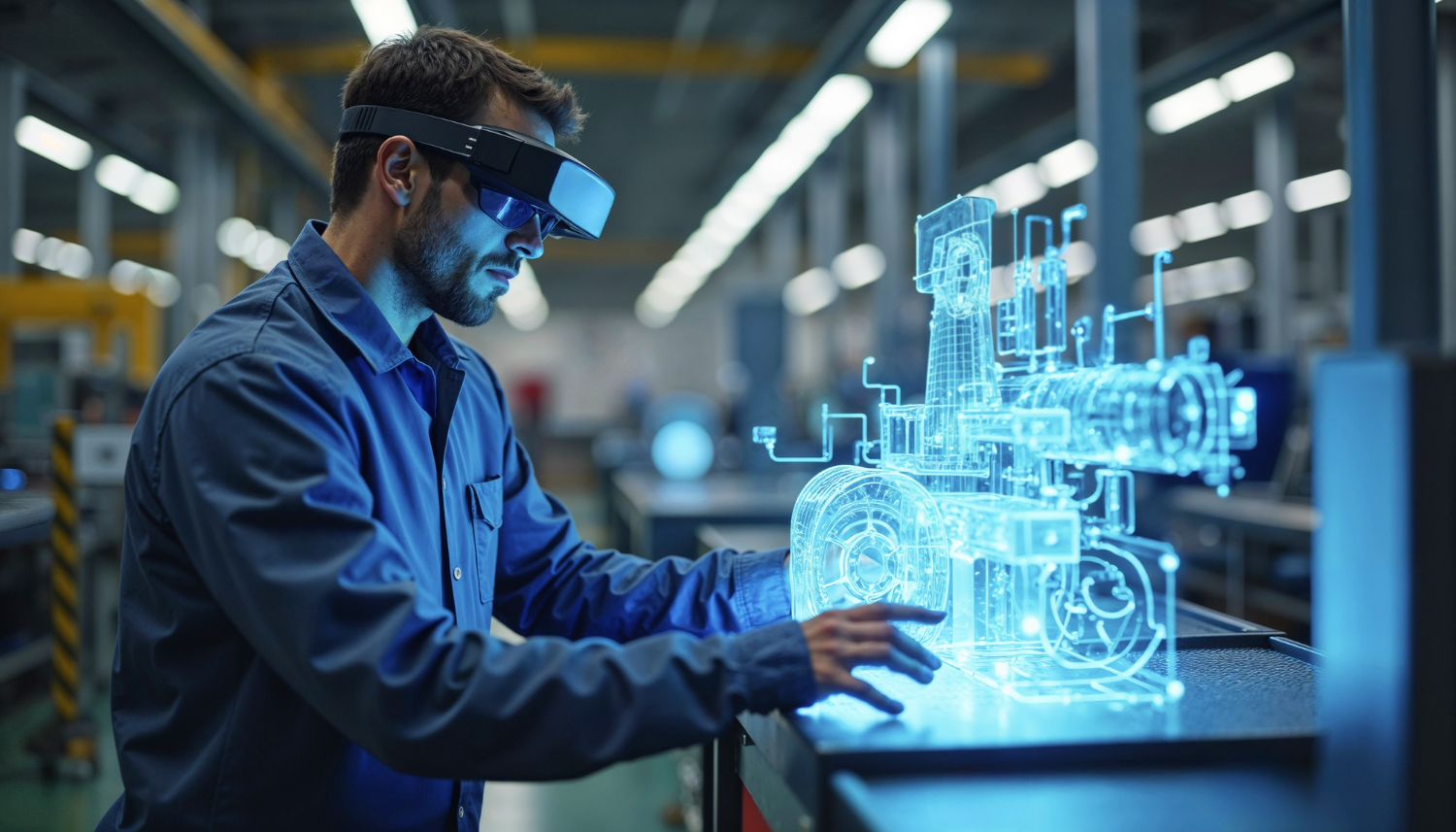
A digital twin in manufacturing is a real-time, virtual representation of a physical asset, process, or system in a factory setting. By making real-time data available to the people making decisions about availability, performance, and quality, digital twins change the temporal relationship between what's happening on the line and the information used to run it.
Digital twins are relatively new in the long history of manufacturing. In 2002, Michael Grieves introduced the concept behind digital twins as the "ideal for product lifecycle management." In 2010, NASA's John Vickers coined the term "digital twins," and in 2021, ISO 23247 created a digital twins framework for manufacturing. More recently, in 2024, NIST unveiled the Digital Twins for Advanced Manufacturing project to develop open standards.
There are 3 basic types of digital twins in active use:
- Asset or product twins are virtual models of a specific machine or component, such as a product filler or package sealer.
- Process twins are virtual models of a production line or workflow, such as a bottling line with frequent changeovers.
- System twins are virtual models of an entire facility or supply chain, used for things like laying out production lines in a new or renovated plant.
{{callout1}}
How Does a Digital Twin Work?
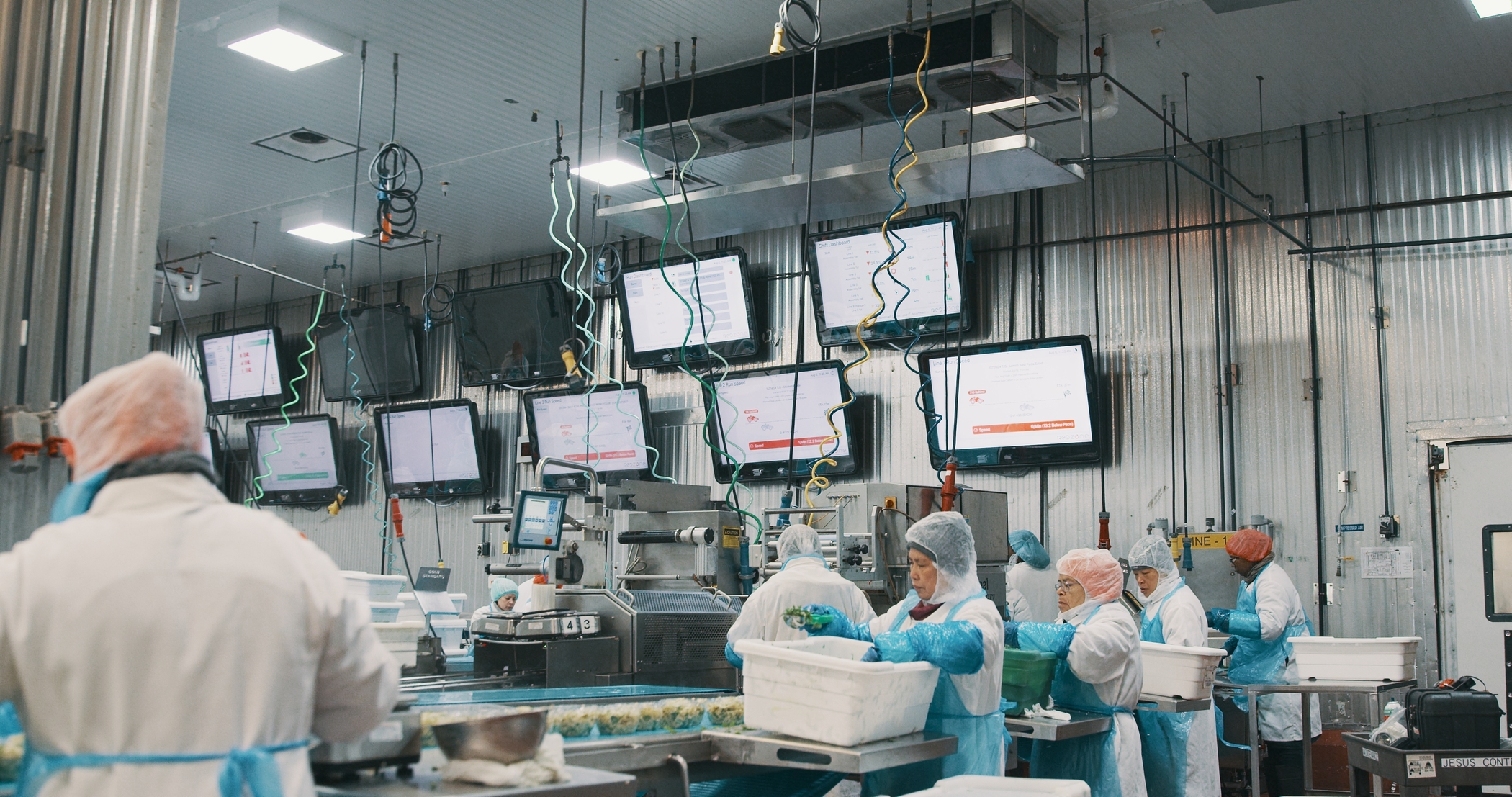
A digital twin is not a dashboard or report, although dashboards make its data visible and useful. A digital twin is a live model that shows what is happening right now on the manufacturing floor — not what happened yesterday or last month.
Here's how a digital twin works in manufacturing operations:
- Sensors, machines, and connected workers generate real-time data on OEE, maintenance issues, QA checks, and operator inputs during the shift.
- That data feeds a virtual model that mirrors the current state on the shop floor.
- The model surfaces deviations, patterns, and predictions that indicate trouble ahead.
- Frontline teams and leaders can act on the model's insights to make changes before indicators turn into problems.
By duplicating what is happening in real time, digital twins can surface maintenance or production issues before they become expensive outages, delays, or quality events.
Benefits of a Digital Twin in Manufacturing
Digital twins help manufacturers make smarter, faster, and more cost-effective decisions, says McKinsey. The technology is rapidly advancing, giving manufacturers better tools to eliminate waste. boost efficiency, safeguard quality, and protect workers.
Key benefits include:
- Earlier visibility into production losses: A digital twin shows deviations as they happen, not after the shift ends. If the twin's data shows a machine is running slower than usual, the frontline team can implement corrective actions, not wait for problems to emerge.
- Safer, lower-risk process changes: Simulating a new process sequence before running it live can eliminate costly trial and error on the line.
- Better maintenance decisions: When a virtual model reflects actual machine behavior, teams learn to identify patterns that usually precede failures. Observing deviations that predict problems lets operators proactively call for repairs and help prevent downtime.
Digital Twin Use Cases in Manufacturing
Digital twins help manufacturers analyze and improve processes in many ways. Some of the most frequent uses include:
- Optimizing changeovers: Before a product changeover, a process twin can model the sequence and timing of steps to reduce idle time. For example, teams can test a new allergen cleaning sequence virtually and optimize it before committing to it on the line.
- Analyzing quality deviations: A process twin that captures operator inputs, machine state, and environmental conditions creates a more complete picture for root cause analysis than a standalone quality management system (QMS) record. If, for example, a leaky seal introduces contamination, having a record of what was happening at the time of the deviation helps teams uncover the underlying reason for the quality issue.
- Training and onboarding operators: New operators can learn and practice on a virtual model before they start working on a live manufacturing line. By simulating normal operating ranges and deviation responses during training exercises, digital twins help reduce live production risks during onboarding.
- Streamlining capacity and schedule planning: A system-level twin of a facility that integrates machine availability, current overall equipment effectiveness (OEE), labor coverage, and order demand can help operations leaders set realistic capacity constraints. It can also predict process bottlenecks, so supervisors can make adjustments before they become schedule failures.
- Testing code in a virtual sandbox: A bad software update can shut down production in a hurry. Testing programmable logic controller (PLC) code changes in a digital twin helps engineers catch buggy or glitchy software before it's deployed.
{{callout2}}
How AI Is Changing Digital Twins in Manufacturing Operations
AI changes the digital twin's role from a mirror into a decision-maker. A typical digital twin reflects what is happening on the shop floor. But AI lets it infer what is about to happen and recommend a response.
Agentic AI-powered digital twins take this a leap forward: Not only do they surface issues, but they can automatically resolve problems, often before the operator even realizes there's an issue.
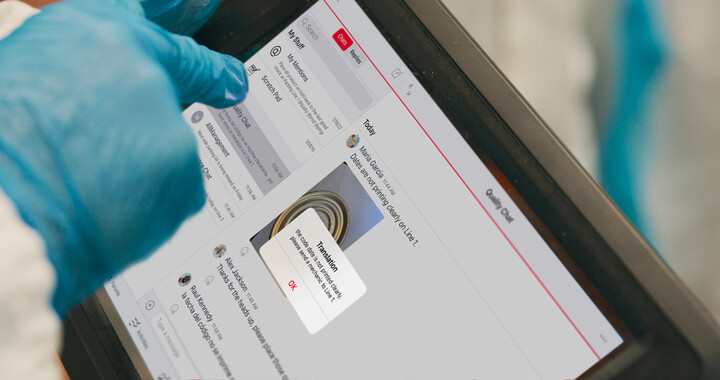
Note that the effectiveness of an AI-enhanced digital twin depends on the quality and completeness of the data feeding it. A twin trained only on machine sensor data misses a major source of production variability — the workforce. Connected workforce software captures operators' interactions, problem-solving methods, and internal expertise, then incorporates that operational knowledge into the AI model.
How To Get Started With a Digital Twin in Manufacturing
A successful digital twin initiative begins with the right scope, right data, and right purpose.
- Start with a defined scope: Decide what operational question you want the twin to answer, then choose one line, one process, or one asset class to pilot your digital twin.
- Audit your existing data streams: You can't build a digital twin without reliable real-time inputs. Identify and fix gaps in machine connectivity, quality data capture, and workforce inputs before you move on.
- Connect the people layer: A twin that models machines but not worker behavior misses a significant source of production variability. Connected workforce software helps close that gap.
- Define what "current state" means: Clarify which parameters the twin needs to reflect and how frequently they must be refreshed.
- Build toward action, not observation: A digital twin's value is its response, not the information it collects. Structure alerts and workflows around deviations, not summary reports.
The Bottom Line
A digital twin closes the gap between when something happens on the floor and when someone knows about and acts on it. Agentic AI narrows that gap by surfacing and, increasingly, acting on deviations automatically to prevent anomalies from turning into downtime and waste.
Learn how Redzone's AI-powered software connects operators, systems, and data, generating real-time data from machines and people that digital twins need to be accurate and actionable.

Frequently Asked Questions
What is the difference between a digital twin and a simulation?
A simulation runs a model at a point in time to test a scenario. A digital twin is continuously updated with live data to reflect the current real-world state.
What data does a digital twin require?
A digital twin needs machine sensor data, production performance data (OEE, throughput, downtime), quality inspection records, and inputs from connected workers on the floor.
Is a digital twin the same as an Internet of Things (IoT) dashboard?
No, a digital twin and an IoT dashboard differ. An IoT dashboard displays data. A digital twin continuously models a physical system, creating data that can be analyzed and used for prediction.
Do I need to replace my existing systems to implement a digital twin?
No, a digital twin augments your existing production systems and connected workforce software by turning that data into actionable insights.
What is the difference between a digital twin and a digital shadow?
In a digital shadow, data flows in one direction: from the asset to the digital model. In a digital twin, data flows back and forth between the asset and the twin. This allows the twin to send commands back to the machine to flag deviations.
.jpg)