What Is a Food Safety Management System? Top 10 Features to Look For


.webp)
published
June 25, 2026
Key Takeaways
A food safety management system (FSMS) is a structured framework of policies, procedures, and controls that food manufacturers use to prevent, monitor, and control biological, chemical, and physical hazards from raw material sourcing through final distribution.
FSMS compliance is legally required for most U.S. food manufacturers under FDA FSMA, and internationally recognized standards like ISO 22000, FSSC 22000, and SQF set the bar for global supply chain access.
The right FSMS software documents compliance as well as prevents contamination events, failed audits, and costly recalls that disrupt production and damage customer relationships.
Technology transforms FSMS from a reactive, paper-based burden into a proactive, real-time system that catches risks before they become shutdowns.
A single food safety incident can trigger recalls, regulatory fines, and reputational damage. Robust FSMS software helps food manufacturers stay ahead of risk, not just respond to it.
What Is the Purpose of a Food Safety Management System?
A food safety management system (FSMS) is a structured framework of policies, procedures, and controls that food businesses use to prevent, monitor, and control safety hazards across the supply chain, from raw material sourcing through final distribution.
Each year, 866 million people become ill and 1.52 million die from eating contaminated food, the World Health Organization (WHO) says. By complying with food safety regulations, policies, and best practices, food manufacturers can reduce the potential of foodborne illness to harm people and animals.
For food manufacturers, FSMS failures aren't just a public health risk — they're a business risk. For more than half of businesses that had a recall, the financial impact exceeded $10 million, and many expect a more difficult regulatory environment will increase their exposure.
Businesses that prioritize food safety and quality can prevent expensive contamination incidents that trigger fines, recalls, and reputational damage. Companies that invest in robust food safety management systems are better positioned to pass audits, reduce waste, and build consumer trust that influences purchasing decisions.
{{callout1}}
Understanding Food Safety Hazards
There are three main types of food safety hazards: biological, chemical, and physical.
- Biological hazards are typically associated with bacteria, viruses, and fungi, which consume fresh food from the surface inward and cause food to spoil. Salmonella, E. coli, and listeria are common bacterial pathogens that often go undetected but can trigger mandated recalls and production shutdowns.
- Chemical hazards generally consist of allergenic substances including peanuts, additives, or shellfish in food. These products can cause severe reactions in individuals, so manufacturers must implement strict contamination controls and ensure products are labeled accurately.
- Physical hazards result when non-food material such as glass, metal, or plastic accidentally end up in a product. These foreign objects can cause choking, dental problems, and severe internal injuries if consumed, so frequent inspections and proper equipment handling are necessary to prevent them.
Companies can prevent and minimize the possibility of these foodborne hazards by adhering to government and industry food safety regulations and standards.
Understanding Food Safety Management Systems and Standards
Food safety standards provide requirements, guidelines, and best practices for food businesses. These are the most common types of food safety management systems.
HACCP
Hazard Analysis and Critical Point Control (HACCP) is a science-backed, globally recognized food safety management standard to identify, evaluate, and control food safety hazards. HACCP compliance indicates a food business meets minimum food safety requirements; HACCP certification verifies a FSMS works in practice, not just on paper.
ISO 22000 Food Safety Management System
International Organization for Standardization (ISO) 22000 is the global standard to identify and control food safety hazards. ISO 22000 encompasses HACCP principles but its scope is broader, and it covers the entire global food supply chain.
GFSI Safety Standards: SQF, BRCGS, FSSC 22000, IFS
The Global Food Safety Initiative (GFSI) provides a set of requirements for food safety certification programs and benchmarks certification programs. GFSI-aligned certifications include Safe Quality Food (SQF), British Retail Consortium (BRC) Global Standards, FSSC 22000 (Food Safety System Certification), and International Featured Standards (IFS).
FDA FSMA
The Food Safety Modernization Act (FSMA) is U.S. law that regulates how food is grown, harvested, and processed to prevent foodborne illnesses. It requires Hazard Analysis and Risk-Based Preventive Controls (HARPC), which is similar to but broader than HACCP. It also authorizes the Food and Drug Administration (FDA) to conduct inspections, ensure compliance with food safety rules, and recall contaminated food if a food maker fails to voluntarily do so.
{{callout2}}
Top 10 Features To Look For in FSMS Software
Food safety management system software helps companies manage their food safety plans. By digitalizing data analytics, information sharing, communication, and collaboration, food businesses can increase overall efficiency, ensure regulatory compliance, and promote transparency across the food supply chain.
Evaluating food safety management systems and software can be confusing. High-quality FSMS software should offer these 10 essential features.
1. HACCP Planning
HACCP is the most commonly used food management system worldwide. Look for software that digitalizes your HACCP plan, flags deviations from critical limits, and maintains audit-ready documentation automatically.
2. Compliance Management
Food safety compliance means adhering to the rules and regulations that apply to facilities handling food or beverages for public consumption. Ensure your FSMS software aligns with the rules and regulations that apply to your food type and location.
3. Food Traceability
Food traceability tracks a product throughout the food supply chain, from raw materials to delivery, so you can quickly identify the source of a foodborne illness outbreak or contamination hazard and remove it from the marketplace. Choose software that documents every step of your supply chain, from harvesting to production and distribution.
4. Automated Reporting
Automated reporting systems that collect, process, and store data on manufacturing processes can identify potential hazards automatically before they lead to bigger failures. Look for software with built-in real-time automated reporting, so teams can act quickly to mitigate problems.
5. Real-Time Alerts
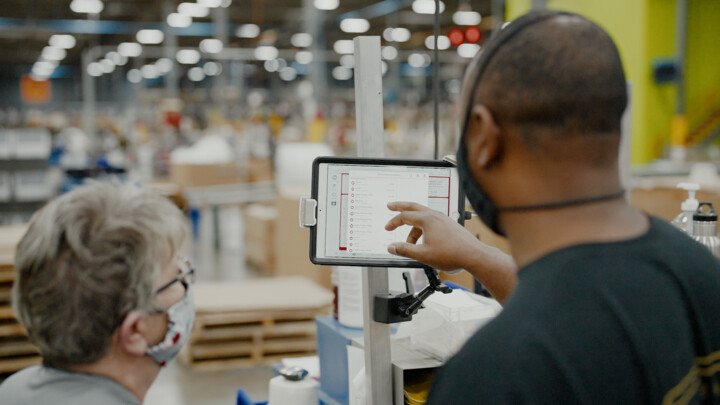
Sensors monitor items in real time to flag deviations (e.g., temperature, pressure, humidity) before they affect food safety. Automated alerting in FSMS software notifies supervisors and frontline operators of issues immediately, so they can act quickly.
6. Data Analysis
Data analysis software identifies patterns, trends, and anomalies in manufacturing data. Choose FSMS software with data analytics capabilities that flag concerns and surface opportunities to increase productivity, efficiency, and product quality.
7. Document Control
Documentation verifies that a company continually complies with food safety regulations and best practices, but human-generated documentation is prone to errors and omissions that auditors will question. FSMS software that automatically collects, organizes, and communicates compliance data simplifies document control and audit readiness.
8. Supplier Management
Food businesses must qualify, monitor, and maintain oversight over vendors who supply ingredients, materials, or services. Supplier management verifies they comply with audit schedules, Certificate of Analysis (CoA) requirements, and GFSI-recognized certification standards. Look for FSMS software that centralizes supplier documentation, tracks compliance status, and flags gaps.
9. Training Management
FSMA and HACCP mandate that food manufacturers train employees on food safety regulations and hygiene protocols before they work with food. FSMS software that tracks employee training status, alerts supervisors when a training is close to expiring, and identifies the need for retraining or upskilling simplifies training management and prevents related compliance issues.
10. Audit Management
Audits verify that your business complies with the rules and regulations legally required for your food product and location. FSMS software with paperless quality and audit management capabilities automatically collects compliance data, so companies always have clean, accurate, audit-ready data available in real time.
The Bottom Line
For food manufacturers, an effective FSMS is the difference between catching a contamination risk on the line and catching it on the news. Redzone's connected workforce platform gives food manufacturers real-time visibility, automated documentation, and audit-ready compliance tools to protect product quality, meet regulatory requirements, and keep production running. Book a demo to learn how.

Frequently Asked Questions
What is the difference between a food safety system and a food safety management system?
A food safety system is a company's overall approach to keeping food safe. A food safety management system (FSMS) is the formal management framework that brings food safety system activities together into a controlled, documented, and auditable system.
What is the difference between HACCP and ISO 22000?
HACCP is a risk-based system focused on eliminating food safety hazards. ISO 22000 is a global standard to help food businesses identify and control food safety hazards. It includes HACCP but has a broader scope that includes communications, leadership, planning, and continuous improvement.
What are the major types of food safety management systems?
The most widely recognized FSMS types include HACCP, HARPC, ISO 22000, FSSC 22000, SQF, and BRC. Despite their different scopes and methodologies, all aim to ensure safe food production and regulatory compliance.
Is an FSMS legally required?
An FSMS is legally required for food manufacturers to do business in the U.S., since nearly all are subject to regulations (such as FDA FSMA) that require having one.
How do you implement a food safety management system?
To implement an FSMS: Conduct a hazard analysis, identify critical control points, establish monitoring procedures, define corrective actions, set up documentation and record-keeping systems, train employees, and do regular audits and reviews to ensure the system remains effective and compliant.