¿Qué es MRO? Guía completa de mantenimiento, reparación y operaciones


publicado
October 15, 2026
Conclusiones clave
Mantenimiento, reparación y operaciones (MRO) abarca todos los suministros y actividades esenciales —desde lubricantes para máquinas hasta equipo de seguridad— que no forman parte del producto final terminado, pero son necesarios para mantener una planta operando.
Una gestión efectiva de MRO impacta directamente en la rentabilidad al minimizar los costosos paros de equipo, asegurar el cumplimiento en seguridad y eliminar desperdicios financieros en la cadena de suministro.
La implementación de MRO se clasifica en mantenimiento de infraestructura, mantenimiento de equipos de producción, manejo de materiales, y herramientas y consumibles.
Los fabricantes pueden pasar de apagar incendios de manera reactiva a trabajar de forma proactiva mediante la implementación de CMMS y herramientas digitales similares, estrategias de inventario administrado por proveedor (VMI) y mantenimiento predictivo.
Entendiendo MRO: conceptos y definiciones clave
Mantenimiento, reparación y operaciones (MRO) abarca los suministros, equipos y actividades esenciales necesarios para mantener una planta de manufactura operando todos los días. MRO puede considerarse todo lo necesario para soportar la producción, pero no incluye ninguna parte del producto final terminado. Por ejemplo, si las materias primas son necesarias para los productos que fabrica tu empresa, MRO es todo lo que necesitas para transformar esas materias primas.
Los tres pilares de mantenimiento, reparación y operaciones son:
• Mantenimiento: Herramientas y suministros preventivos necesarios para mantener la maquinaria en condiciones de operación y evitar fallas.
• Reparación: Refacciones y componentes utilizados para reparar equipos cuando fallan.
• Operaciones: Suministros que apoyan a la planta y al personal, pero que no están ligados directamente a una máquina específica.
Las 4 principales categorías de MRO
Mantenimiento, reparación y operaciones se dividen en cuatro categorías principales según cómo se utilizan dentro de la planta de manufactura:
- Reparación y mantenimiento de infraestructura abarca el edificio físico y los sistemas que permiten su funcionamiento. Normalmente está a cargo del equipo de facilities. Entre los ejemplos se incluyen sistemas HVAC, techos, plomería, cableado eléctrico, iluminación y suministros de limpieza.
- Mantenimiento de equipos de producción incluye el cuidado de la maquinaria que fabrica el producto. Esta es la categoría más crítica para evitar paros de línea. Algunos ejemplos incluyen motores de reemplazo, rodamientos, bandas, sensores, lubricantes y componentes especializados para máquinas CNC o líneas de ensamble
- Equipo para manejo de materiales mueve el producto durante o después de la producción. Asegura el flujo de materiales dentro de la planta para prepararlos para embarque. Algunos ejemplos incluyen montacargas, transportadores, patines hidráulicos, vehículos guiados automáticamente y estanterías
- Herramientas y consumibles son artículos pequeños, de alta rotación, que se consumen o desgastan durante el proceso de manufactura. Como se reemplazan con frecuencia, suelen representar un alto volumen de órdenes de compra. Algunos ejemplos incluyen brocas, insertos de corte, varillas de soldadura, lijas y equipo de protección personal (EPP), como guantes, lentes de seguridad y tapones auditivos.
¿Por qué importa la gestión de MRO?
Una gestión efectiva de MRO suele marcar la diferencia entre una planta de alto desempeño y una que vive en constante caos operativo. Aunque los artículos MRO no forman parte del producto terminado, la forma en que se gestionan afecta directamente la rentabilidad de la empresa. Tres beneficios críticos para el negocio son:
- Reducción de paros: En manufactura, el tiempo es dinero. Si falla un rodamiento crítico y no hay una refacción en inventario, una línea completa de producción puede quedar parada durante días esperando un embarque. Esto puede representar una pérdida importante de ingresos. Una gestión estratégica de MRO asegura que las refacciones críticas de alta prioridad siempre estén disponibles.
- Mayor seguridad y cumplimiento: Asegurar que todos los trabajadores utilicen el EPP adecuado y operen en un entorno limpio y libre de riesgos es necesario para mantener la seguridad de todo el personal. Una buena gestión del EPP ayuda a asegurar que el equipo de seguridad que cumple con OSHA o ISO —como respiradores, guantes y protección ocular— esté siempre disponible en inventario.
- Eficiencia financiera y de costos: MRO puede representar una parte importante del gasto anual de compras de una planta industrial — a pesar del bajo costo de muchos artículos individuales. Una mala gestión de MRO provoca compras de pánico a precios de retail o que se pierdan piezas en un almacén desordenado. Optimizar la cadena de suministro de MRO y consolidar proveedores ayuda a reducir costos de envío, aprovechar descuentos por compras en volumen y evitar que MRO se convierta en un hoyo negro del gasto industrial.
Integración de soluciones de software con MRO
MRO puede convertirse en una ventaja competitiva cuando los fabricantes pasan de apagar incendios de forma reactiva a una optimización estratégica. Al aprovechar tecnología y alianzas más inteligentes, las empresas pueden transformar MRO de un centro de costos en un activo operativo optimizado.
La gestión de MRO responde a los retos y oportunidades específicos de cada empresa. Una herramienta o técnica que es ideal para una gran empresa puede no dar los mismos resultados en una startup. Aun así, los siguientes enfoques estratégicos para gestionar MRO pueden ayudar a empresas de todos los tamaños y sectores.
Sistema computarizado de gestión de mantenimiento
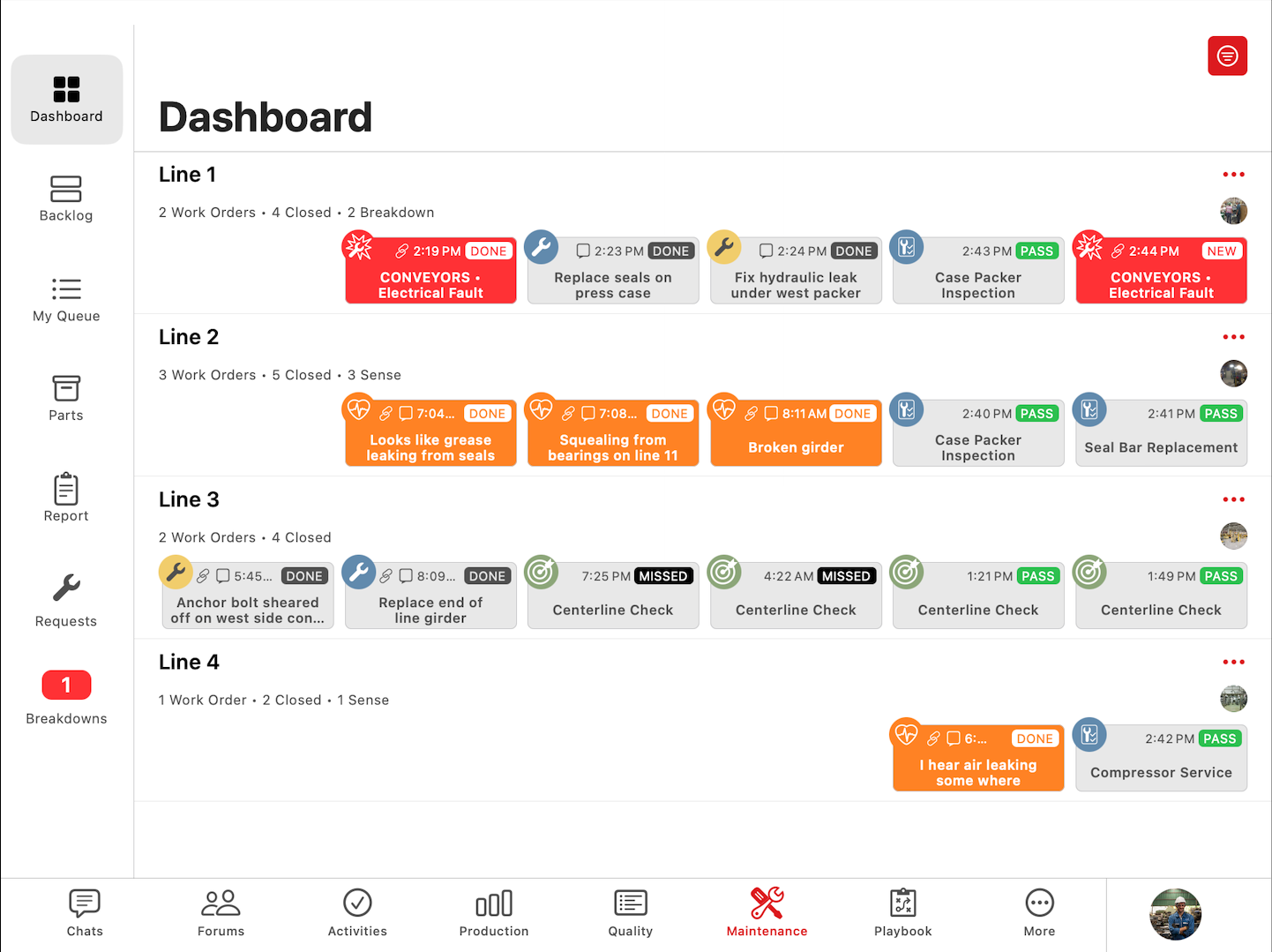
Un sistema computarizado de gestión de mantenimiento (CMMS) es el cerebro digital de tu estrategia de MRO. En lugar de depender de hojas de cálculo o registros en papel, este sistema centraliza todos los datos relacionados con los activos de tu planta. Un CMMS centraliza el seguimiento en tiempo real de cada orden de trabajo, historial de reparaciones y ubicación de refacciones. Puede generar alertas automáticamente cuando el inventario de piezas críticas cae por debajo de un nivel determinado. Una mayor visibilidad de los datos permite a los responsables saber exactamente dónde se gasta el dinero y qué máquinas son las más costosas de mantener.
Inventario administrado por el proveedor
Gestionar miles de piezas pequeñas y suministros puede representar una carga administrativa importante. El inventario administrado por el proveedor (VMI) traslada la responsabilidad del reabastecimiento al proveedor. Un proveedor de confianza monitorea los niveles de inventario y repone automáticamente los suministros conforme se utilizan. Esto elimina la necesidad de generar órdenes de compra constantemente, reduce los costos de envíos urgentes y asegura que tu empresa nunca se quede sin consumibles de alta rotación. Así, el equipo de compras dedica menos tiempo a ordenar suministros y más tiempo al abastecimiento estratégico.
Mantenimiento preventivo vs. mantenimiento predictivo
Las estrategias de MRO más efectivas dejan atrás la práctica de esperar a que una máquina falle para darle mantenimiento. El mantenimiento preventivo y el mantenimiento predictivo ayudan a reducir las fallas antes de que ocurran.
• El mantenimiento preventivo se basa en calendario o uso y se enfoca en reemplazar piezas en intervalos establecidos para evitar fallas.
• El mantenimiento predictivo se basa en la condición del equipo y utiliza sensores para monitorear anomalías en tiempo real. Los equipos de mantenimiento reemplazan una pieza solo cuando los datos indican que está por fallar.
Aunque ambos enfoques son mejores que reaccionar después de la falla, el mantenimiento predictivo es el estándar ideal porque maximiza la vida útil de cada pieza y asegura que el mantenimiento se realice exactamente cuando se necesita, reduciendo los costos de MRO.
En resumen
Dominar la gestión de MRO es fundamental para mantener la eficiencia y seguridad de la producción. Al adoptar prácticas estratégicas de MRO, los fabricantes pueden convertir retos potenciales en ventajas competitivas. Invertir en las herramientas y la cultura adecuadas mantiene tu planta ágil y eficiente a largo plazo. Transforma tus operaciones: contáctanos hoy para descubrir cómo Redzone puede fortalecer tu estrategia de MRO.

Preguntas frecuentes
¿Cuáles son algunos ejemplos de artículos MRO?
Los artículos MRO incluyen todos los suministros necesarios para mantener una planta operando que no se convierten en parte del producto final. Algunos ejemplos comunes son lubricantes, filtros, sensores, motores de reemplazo, rodamientos, bandas, componentes de plomería y eléctricos, suministros de limpieza y oficina, brocas, insertos de corte, varillas de soldadura y equipo de protección personal (EPP).
¿Qué es la gestión de inventario MRO?
La gestión de inventario MRO es el proceso estratégico de administrar los suministros, refacciones y herramientas necesarios para mantener una planta de manufactura operativa. Implica dar seguimiento a la compra, almacenamiento y utilización de consumibles de alta rotación y refacciones críticas para asegurar que las líneas de producción no queden paradas por falta de inventario.
¿Qué impacto tiene la gestión de MRO en una organización?
Una gestión efectiva de MRO afecta directamente la rentabilidad de la empresa al reducir paros, asegurar la seguridad e impulsar la eficiencia financiera. La gestión de MRO evita el caos en producción al mantener siempre disponibles las refacciones críticas de alta prioridad para evitar la pérdida de ingresos que ocurre cuando una línea queda detenida esperando una sola pieza.
¿Qué KPIs de MRO debo monitorear?
Las métricas críticas incluyen el gasto de MRO como porcentaje de las compras totales y las tasas de faltantes para identificar escasez de inventario que puede provocar caos en producción. Los fabricantes también deben monitorear la proporción de órdenes urgentes para detectar compras ineficientes, así como las horas de paro de máquina para evaluar la efectividad de las estrategias de mantenimiento preventivo frente al predictivo.