Trusted by 2,000+ factories worldwide
to drive productivity and connect frontline teams with AI where the work happens.






What is it?
What Is Chemical Manufacturing Software?
Chemical manufacturing software is operational technology (OT) that connects frontline workers, batch processes, and quality systems in specialty chemical, bulk chemical, and formulated products plants.
Real-time OEE visibility, batch performance tracking, and SPC quality control across every batch and production line.
Tools to reduce yield loss, cut changeover time between formulations, and maintain safety and regulatory compliance — without adding administrative overhead.
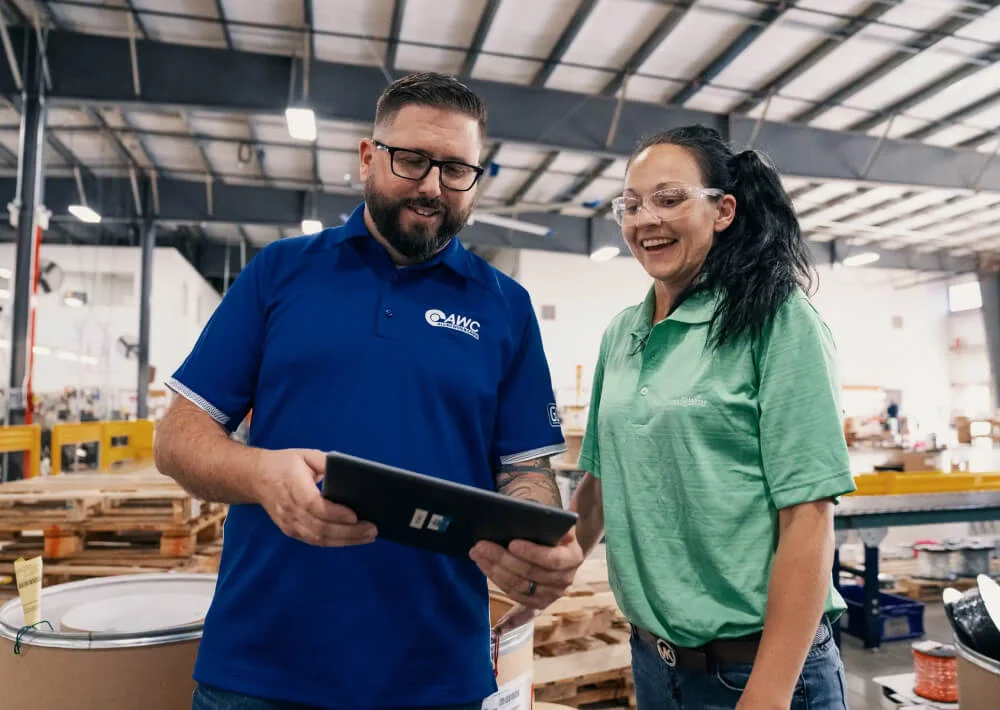
A Connected Workforce Solution that puts that data directly in operators' hands on the floor, not in a report they see after the shift ends.
Built for the realities of chemical manufacturing: batch complexity, regulatory pressure, and thin margins that demand fast, measurable results.
Redzone is mobile-first, operator-driven, and built to deliver measurable productivity and yield improvements within 90 days.
Starting OEE

90-Day OEE Uplift
90-Day Productivity Improvement
Specialty Chemical Producers
Teams with High Yield Loss
Multisite Chemical Manufacturers
Industry Challenges
The Biggest Operational Challenges in Chemical Manufacturing
Yield Loss & Off-Spec Batches
Off-spec batches are the #1 cost driver in chemical manufacturing. Real-time SPC monitoring catches drift during in-process testing — before yield loss is locked in.
Formulation Changeover Time
Cleaning, flushing, and transition between formulations eat capacity between runs. Digital work instructions and SMED timing cut changeover duration significantly.
Unplanned Downtime
Equipment breakdowns disrupt batch schedules, waste materials and resources, and put customer commitments at risk.
Real-Time Production Visibility
Most chemical plants run on shift-end batch reports. By the time a yield loss is visible, the batch is done and the product is off-spec.

Why Chemical Plants Choose Redzone
Real-Time Batch Visibility
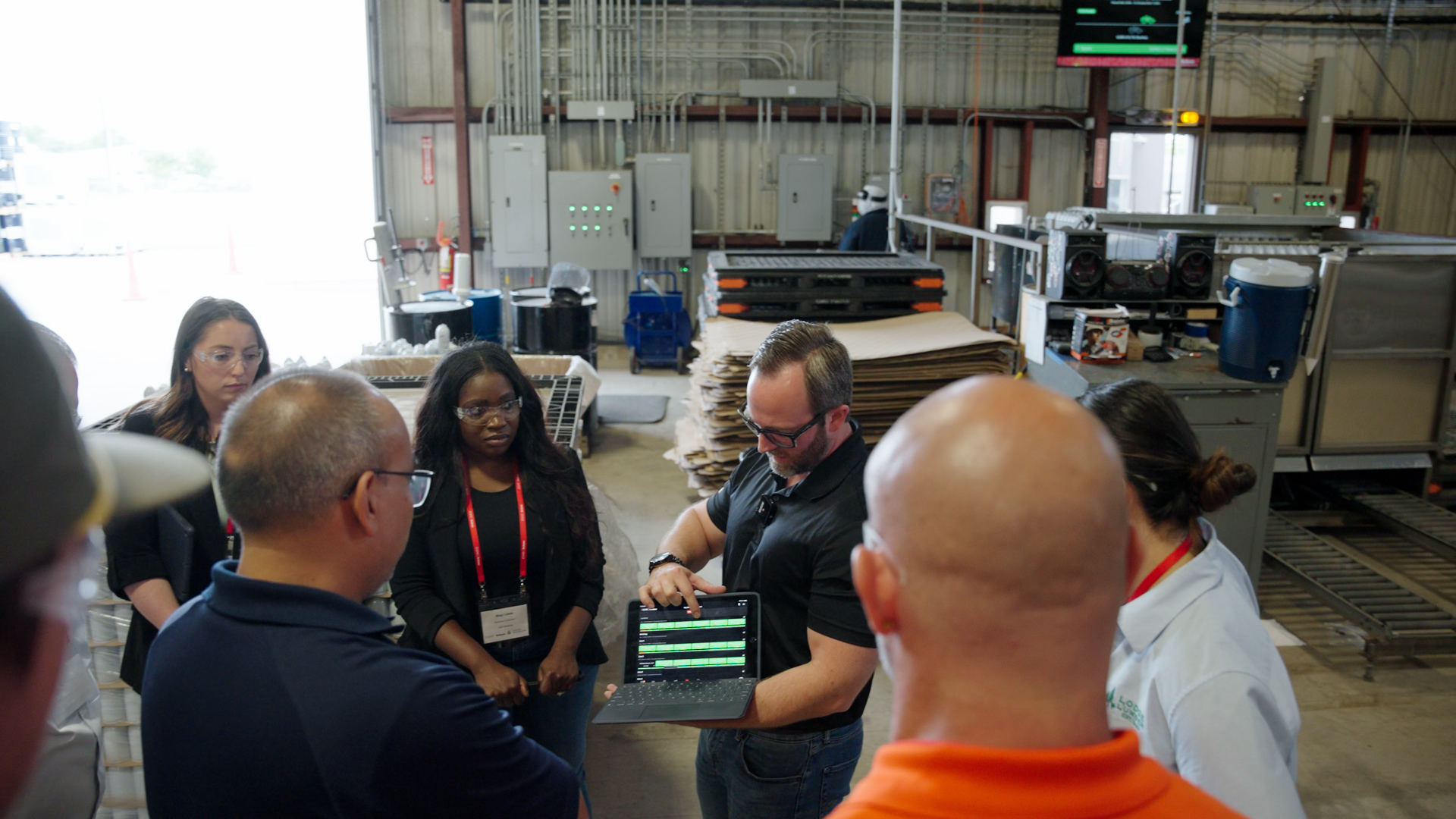
Redzone gives operators and supervisors real-time visibility into batch performance, OEE, and loss categories — by line, by formulation, by shift. Problems are caught during the run, not in the post-shift report.
90-Day Time to Value
Competitors quote 6-18 month MES or DCS implementations. Redzone plants see measurable OEE and yield improvements within 90 days. No big-bang rollout, no extended professional services.
Proven Across Process Manufacturing
Redzone delivers ROI across life sciences, chemicals, plastics, and industrial process manufacturing — environments defined by batch complexity and margin pressure.
Connect
Redzone connects to existing machines, DCS systems, SCADA infrastructure, and operator input points via lightweight hardware and API integrations. No rip-and-replace. No extended commissioning project.
Capture
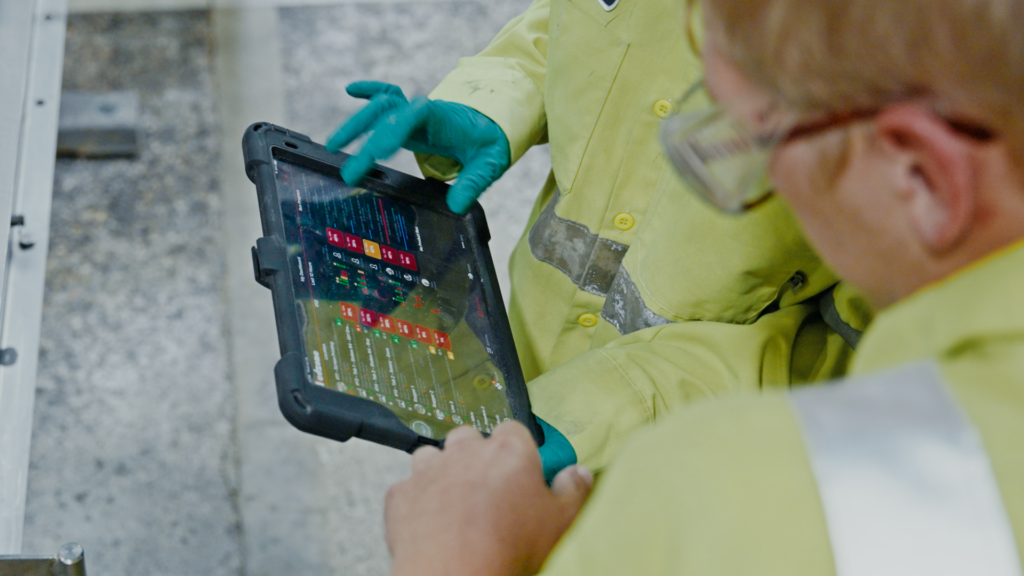
Operators log batch events, quality checks, loss reasons, and procedure completions directly from the line on mobile devices. The system captures real-time OEE, yield, and safety data without manual summary sheets.
Improve
ChampionAI analyzes batch and packaging data, OEE trends, and downtime patterns to surface the single highest-impact improvement — with a specific playbook. Supervisors run structured CI routines anchored to real performance data.





Regulatory & Safety Compliance
Built for the Regulatory Requirements of Chemical Manufacturing
Wastewater & Compliance Reporting
Process Safety Management (PSM)
ISO 9001 & Customer Quality Audits
Use Cases
What Chemical Plants Use Redzone For
Yield Loss Reduction
Real-time SPC monitoring catches process drift during the batch before off-spec product accumulates. Supervisors see yield trends by formulation, line, and shift.
Formulation Changeover Reduction
Digital SMED timing, step-by-step flush and changeover procedures, and real-time tracking to target.
Real-Time OEE Visibility
Live batch OEE data replaces end-of-shift manual summaries. Management sees batch performance during the run — not hours after it ends.
AI-Guided Improvement
ChampionAI analyzes batch data, OEE patterns, and yield trends to surface the single highest-impact improvement — with a specific playbook to execute it.
Our Impact
What Chemical Manufacturers Say
Chemical Manufacturing Software Frequently Asked Questions
Didn’t find what you need? View the full FAQ.
How long does it take to implement Redzone in a chemical plant?
Redzone's mobile-first UI and no-code configuration get operators up and running quickly, with measurable OEE results within 90 days.
What software do chemical manufacturers use to manage production?
Most chemical plants run a mix of ERP and batch-management software for formulation, lot tracking, and compliance paperwork. Redzone's Connected Workforce Software works alongside those systems, adding real-time OEE, downtime tracking, and quality visibility that traditional ERP isn't built to capture on the floor.
Does Redzone support regulatory documentation requirements for chemical facilities?
Yes. Redzone captures digital records, operator procedure sign-offs, and corrective action records as part of normal production workflows. These records are audit-ready for EPA, OSHA, ISO 9001, and customer-specific quality requirements.
What is a good OEE benchmark for a chemical plant?
There’s no single OEE target for every chemical plant, but Redzone customers start at an average 41.8% OEE and gain 13 points in 90 days. More importantly, objective data often reveals a lower starting OEE than expected — giving teams a clear baseline and measurable path to improvement.
What is ChampionAI and how does it apply to chemical manufacturing?
ChampionAI analyzes batch data, OEE history, giveaway trends, and shift patterns to identify the single highest-impact improvement. In chemical plants, this typically surfaces opportunities around yield loss categories, changeover duration, or recurring off-spec patterns on specific formulations or lines.