5S Methodology: What It Is and How to Make It Stick in Manufacturing


.webp)
published
September 20, 2026
Key Takeaways
5S is a five-step Lean methodology — sort, set in order, shine, standardize, and sustain — that organizes the work environment to eliminate waste and support consistent production.
Frontline workers, line leads, maintenance, and plant leadership all have distinct roles in a 5S program. Framing it as a top-down, continuous improvement team initiative is a common failure point.
6S adds safety as an explicit sixth pillar — worth considering for high-hazard or heavily regulated environments, but strong 5S already produces safer workplaces as a structural outcome.
What Is 5S in Manufacturing?
5S is a fundamental Lean manufacturing methodology that organizes the work environment so that necessary tools and equipment are quick and easy to access. Like so many Lean manufacturing methods, 5S emerged from the Toyota Production System in the 1950s to boost agility and eliminate waste ("muda" in Japanese).
5S also sets the foundation for advanced Lean tools and processes, including total productive maintenance (TPM), single-minute exchange of die (SMED), and Jidoka (automation with a human touch).
Implementing the five S's (sort, set in order, shine, standardize, and sustain) is easy; the hard part is maintaining the operational discipline to keep it going. Without sustained 5S, the gains from the first four steps erode, and the advanced Lean tools that depend on 5S become unreliable.
{{callout1}}
How To Run a 5S System in Manufacturing
Implementing a 5S system isn't a "set it and forget it" process; it demands continuous attention and improvement. Here's how it works in the plant.
1. Sort (Seiri)
Begin by sorting all the materials assigned to a product or process. The goal is to clear out clutter, making the work environment more efficient and easier to navigate.
Categorize tools by similarity, how often they're used, and where they're used. Eliminate anything that's broken or unnecessary. If you're not sure whether a tool is ever used, "red tag: it with the date you sorted it; if it hasn't been used within 30 days, you know it's misplaced or unnecessary.
- Key Lean benefit: Eliminating unnecessary tools reduces inventory waste (excess stock that ties up capital and space), freeing storage for other uses.
- An example: Sort all the wrenches together. If you have duplicates, remove any that are rusted or broken. Determine how many you realistically need on each shift, then eliminate the excess.
2. Set in Order (Seiton)
Next, designate a place for everything. Organize important or frequently used tools for easy access. Move misplaced tools where they belong, and place infrequently used materials in storage. Use visual organization methods (e.g., shadow boards, foam inlays, and labels) that make it easy to see where tools belong and know when one is missing.
- Key Lean benefits: Organizing materials helps eliminate motion waste (superfluous movements by people or machines that consume time and energy) and transportation waste (unnecessary movement of materials), which can increase costs, damage, or delays.
- An example: Outline a caliper's shape on a shadow board (either painting its silhouette or cutting its shape into foam), so operators know where to put it when they're finished.
3. Shine (Seiso)
Shine means "clean to understand" — cleaning, inspecting, and maintaining the work environment so that it's easier to discover leaks, wear, and abnormalities that can turn into quality problems and downtime.
- Key Lean benefits: Maintaining a clean workstation helps eliminate defect waste (production flaws that require rework or scrap) and waiting waste (idle time when equipment isn't ready for use).
- An example: Clean and degrease a computer numerical control (CNC) milling machine regularly to prevent grease buildup that can trap dust and prevent proper lubrication.
4. Standardize (Seiketsu)
Step 4, standardizing the first three steps, is where 5S starts to pay off. Documented procedures make the first three steps consistent and repeatable across shifts and people. Digital work instructions and 5S checklists help reduce errors, accelerate onboarding, and create audit trails.
- Key Lean benefit: Standardization helps prevent non-utilized talent waste and waiting waste because the documentation shows everyone what they're supposed to be doing at all times.
- An example: Document the cleaning procedures for an allergen sanitation process by having one person do the changeover while another person records the steps in writing or on video.
5. Sustain (Shitsuke)
The first 4 S's set the stage for sustained continuous improvement (Kaizen); the final step, sustaining 5S, is what brings it to fruition. Following documented standards and audit cadences makes 5S a management system, rather than a one-time cleanup event.
- Key Lean benefit: Sustaining 5S supports the Lean principle of pursuing perfection. This means all employees work continuously to improve processes, eliminate waste, and increase quality and efficiency.
- Example: Build mandatory sign-offs into your digital work instructions, so manufacturing processes can't move forward until a cleaning process is complete according to standards.
How to Sustain 5S
A common cause of 5S failure is resistance to change on the shop floor. Active leadership can help break through "but we've always done it this way" barriers. For example:
- Build responsibility for maintaining standards into the daily roles of the people who work in the space.
- Demonstrate support for 5S during gemba walks, where leaders engage with frontline employees.
- Reward employees with formal recognition for 5S-related improvements.
- Do brief daily 5S audits to create accountability and uncover any problems with routines.
- Build accountability directly into digital work instructions, checklists, and routines.
- Encourage people who embrace 5S to coach and mentor their colleagues.
Why 5S Is a Business Priority, Not a Housekeeping Program
While 5S is implemented on manufacturing lines, its value shows up in stronger financial and operational performance.
- Waste reduction: 5S directly targets several of the seven Lean manufacturing wastes (e.g., motion, waiting, defects).
- Safety: Regular inspection, organized tools, and clear labeling contribute to a safer work environment. For example, removing clutter reduces tripping hazards, organizing tools improves ergonomics, and cleaning equipment regularly surfaces wear before it becomes a safety risk.
- Lean maturity: 5S is a foundational TPM tool because it provides the visibility required for proactive maintenance. SMED, Kaizen, and overall equipment effectiveness (OEE) also depend on disciplined 5S.
- Operator engagement: Giving workers ownership over their workspace and standards boosts frontline engagement, which strengthens employee retention and productivity.
{{callout2}}
The Pros and Cons of 5S
As with any new initiative, 5S has pluses and minuses.
Advantages of 5S:
- It's relatively inexpensive to start. The main cost is carving out time to sort, organize, and clear materials. It doesn't require any specialized equipment.
- Benefits compound, as each step enables the next and unlocks more advanced Lean tools.
- It builds a visible, measurable culture of ownership and continuous improvement at the floor level.
- It is effective across production, maintenance, and quality.
Limitations of 5S:
- The initial implementation requires significant time and cross-functional coordination.
- The sustain step is the hardest part. Without ongoing commitment, 5S results erode quickly.
- If leadership support and communication are lacking, frontline workers can dismiss 5S as a top-down initiative.
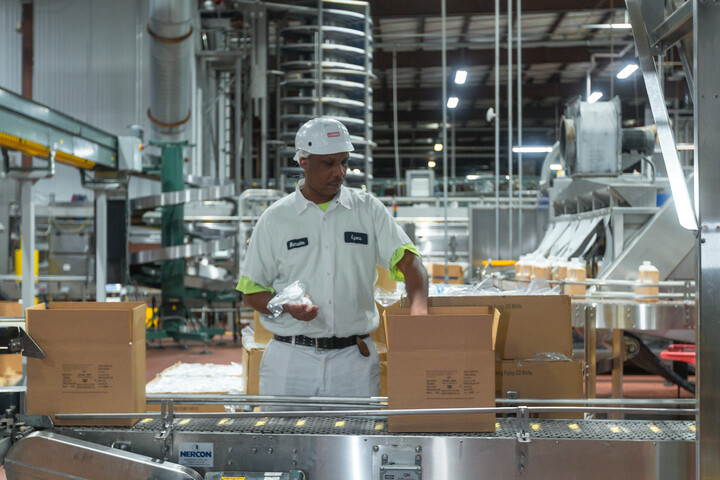
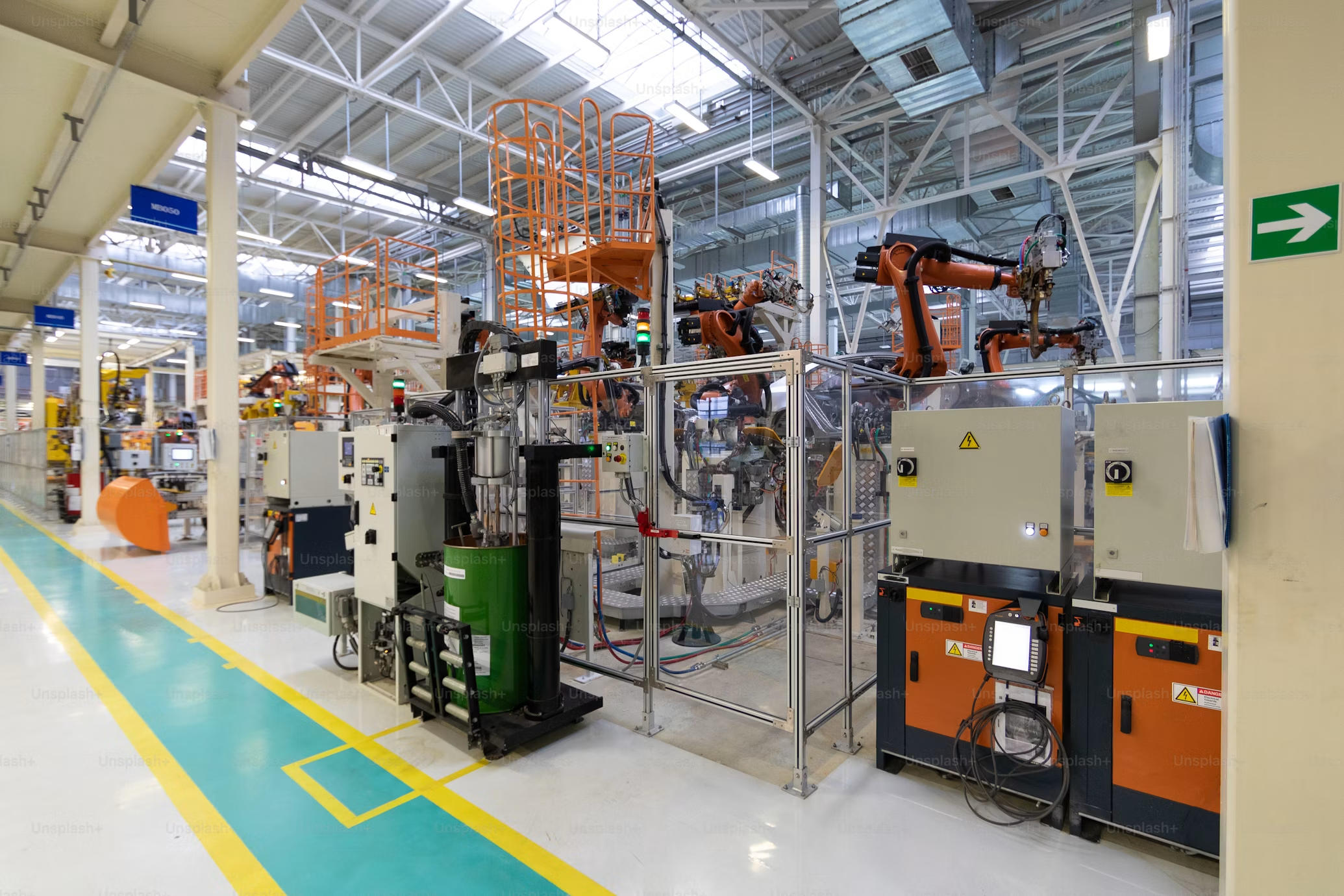
- Every manufacturing environment is unique; a one-size-fits-all approach is rarely effective. For example, the sort and set in order steps look very different in a food manufacturing facility than in an automotive shop.
What Is the Difference Between 5S and 6S?
6S adds safety as a sixth pillar to the standard 5S framework. Some highly regulated manufacturers, especially those in high-hazard environments, prefer 6S because it makes safety part of audit rigor. Others argue that calling safety out explicitly is redundant because disciplined 5S already produces safe workplaces.
Organizations in high-risk production environments, under heavy OSHA scrutiny, or with active safety compliance programs may find 6S a better fit. Other organizations with mature 5S programs adopt 6S to formalize existing safety practices, rather than as a retrofit.
For most manufacturers, starting with strong 5S and treating safety as an outcome of each step is sufficient.
Best Practices for 5S Success
- Pilot one area first: Select a high-visibility, controllable area rather than launching plant-wide. Early wins build momentum and reveal what the sustain mechanism needs to look like.
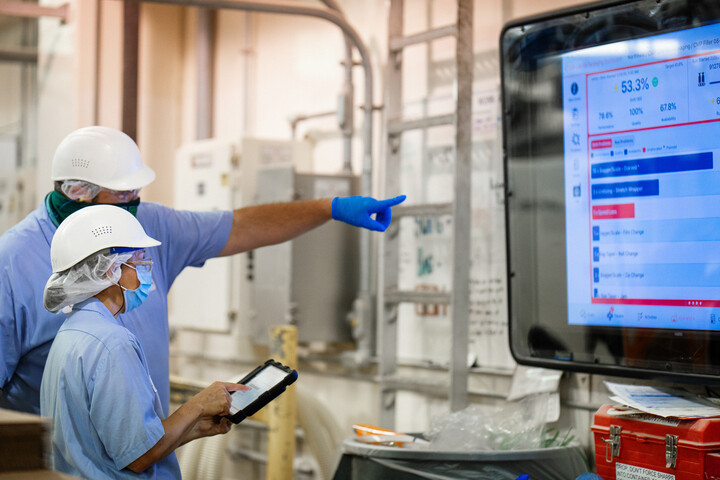
- Include the people who do the work: When developing a 5S program, frontline operators have hands-on knowledge that can flag issues that managers might miss.
- Involve the operators: Training and communication are essential to capture employee support and engagement. People who feel ownership of the program are more likely to maintain it.
- Establish measurable standards before you start: Vague standards produce inconsistent audits. Define what "clean" and "organized" look like and document them with illustrations, photos, or videos in standard operating procedures (SOPs).
- Build audit cadence into daily management routines: Audit frequency matters more than rigor. Brief daily checks beat monthly deep-dive audits for sustaining 5S.
- Connect 5S to broader improvement goals: Make 5S the foundation for OEE tracking, TPM, or quality improvement, not as a standalone initiative.
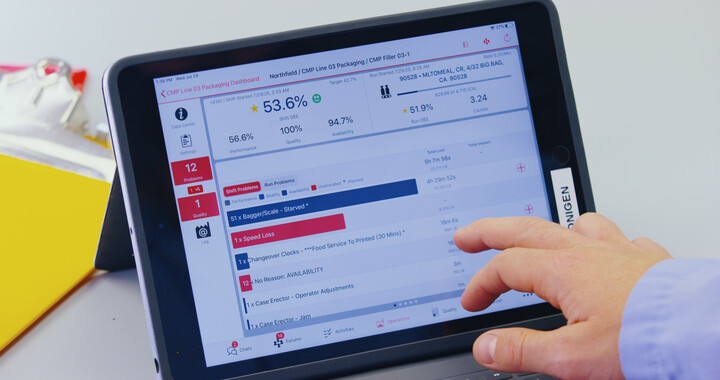
Connected workforce platforms can help sustain 5S by making standards visible across shifts and letting teams escalate problems as they happen. This turns the sustain step from a challenge into a system-supported routine.
The Bottom Line
A 5S program done right is a durable operations system, not an organizing project. But sustaining it every day, across every shift demands the right support. Redzone's connected workforce software simplifies sustainability by making 5S processes part of the standard frontline operations workflow. Learn how Redzone can help improve efficiency and reduce waste on your shop floor; book a demo today.

Frequently Asked Questions
What Is 5S in Manufacturing?
5S is a five-step Lean manufacturing methodology that organizes the work environment to eliminate waste and create the conditions for consistent production. The five steps are: sort, set in order, shine, standardize, and sustain.
Is 5S the same as Lean manufacturing?
No, 5S is not the same as Lean, rather it's one of the practices that form the backbone of a Lean manufacturing system and supports advanced Lean processes.
Who should be involved in a 5S system?
5S is a cross-functional methodology, so include representatives from all the roles that work in the target area, including frontline workers, line lead and supervisors, maintenance, QA, and plant leadership, to develop your 5S program.
What is the difference between 5S and 6S?
5S produces safer workplaces as a structural outcome of each step. 6S makes safety an explicit sixth pillar — a stronger fit for high-hazard or heavily regulated environments.