A Guide to Equipment Maintenance Logs


.webp)
published
August 17, 2026
Key Takeaways
Equipment maintenance logs combine a permanent asset profile with a chronological record of every service event — dates, work performed, parts used, and technician sign-offs.
Detailed logs help teams catch failure patterns early, cut troubleshooting time, support repair-vs-replace decisions, and satisfy audits from bodies like OSHA, the FDA, and ISO.
A strong logging system starts with a complete asset register, uses standardized templates, assigns clear ownership, and requires updates at the point of work.
Digital maintenance log software outperforms paper and spreadsheets by auto-populating records at work order closure, enabling mobile updates, and generating instant audit trails.
When evaluating software, look for automated log population, mobile accessibility, searchable history, and built-in analytics like MTBF tracking.
What Is an Equipment Maintenance Log?
An equipment maintenance log is a formal record of every maintenance activity performed on a specific piece of equipment. It's often part of a larger computerized maintenance management system (CMMS) and tracks key details for each service event, including the exact date, the work performed, the technician's name, the parts used, and the outcome or follow-up observations. Rather than lumping all site operations together, teams maintain a distinct log for each major machine or system to create an accessible, full-lifecycle history for that specific asset.
An equipment maintenance log's purpose differs depending on a person's role. Maintenance technicians use them to spot recurring mechanical issues and schedule preventive service. Facility managers review them to analyze lifetime operating costs and make informed repair-versus-replace decisions. Compliance officers and safety teams use them as official audit evidence to document adherence to safety standards and industry regulations.
{{callout1}}
What Should Be in an Equipment Maintenance Log?
An equipment maintenance log should include static asset identification information and a living history of the machine's maintenance activity.
Asset Identification Information
The top of the log establishes the asset's permanent profile:
- Asset name and description documents the equipment type and its primary function.
- Unique asset ID or tag number connects the physical machine directly to your central registry to prevent mix-ups between identical units.
- Manufacturer, model, and serial number lists the asset's specifications needed when ordering replacement parts or filing warranty claims.
- Location identifies the exact plant, line, or bay where operators can find the asset.
- Date of installation or first use establishes the asset's baseline age to track its lifecycle and anticipate wear.
- Assigned technician or responsible team records the primary person or department accountable for the machine's care.
Maintenance Activity Records
The core section captures a running chronological record of every service event:
- Maintenance date logs the date technicians performed the work; enables accurate service interval tracking.
- Maintenance type categorizes whether the maintenance is preventive, corrective, a calibration, an inspection, or another type; reveals service trends over time.
- Description of work performed details specific actions, so future technicians know what happened.
- Parts replaced or consumed records part numbers, quantities, and suppliers to track inventory and component lifespan.
- Technician name and sign-off captures the signature of the person who completed the work.
- Asset condition at close confirms whether the machine returned to full service, requires monitoring, or needs follow-up work.
- Date of next scheduled maintenance sets the target date for the next service cycle to keep preventive routines on track.
- Remarks or observations capture details that could influence future decisions, such as unusual noises, minor wear, or environmental factors.
Benefits of Equipment Maintenance Logs in Manufacturing
Equipment maintenance logs give manufacturers actionable data to protect uptime, control costs, and pass strict quality audits. Examples include:
- Surface failure patterns early: Tracking service history over months and years helps spot recurring glitches and trends that signal premature component wear.
- Reduce troubleshooting time: When a critical machine breaks down, the log gives immediate context about recent repairs, parts replacements, and previous failures, helping turn hours of blind troubleshooting into a quick, targeted diagnosis.
- Support repair vs. replace decisions: Objective financial and performance data, including cumulative repair costs and failure frequency, help plant managers confidently replace aging assets that are becoming money pits.
- Satisfy compliance and audit requirements: Manufacturing standards, such as ISO 9001, OSHA, and FDA guidelines, require proof of routine equipment care. Up-to-date maintenance logs provide clear audit evidence that your facility maintains safe, compliant operations.
How To Create an Equipment Maintenance Log
Creating a reliable equipment maintenance log requires a structured approach for consistency, accuracy, and ease of use.
- Start with your asset register: List every machine, critical utility, and regulated system to prevent missing assets, tracking gaps, or unmonitored hardware.
- Design a standard template: Draft a template using consistent fields and a predictable structure. A digital platform with standardized drop-down options allows technicians to enter data rapidly without guessing what details to record for every asset in your facility. Complex, cluttered, or paper-based logs discourage real-time updates and lead to missing records.
- Assign ownership to each log: Create a dedicated log for each asset, then designate a primary technician or maintenance team lead to oversee its accuracy and completion. Explicit ownership drives accountability, so routines do not fall through the cracks during busy shifts.
- Build log completion into the work order process: Make completing the log entry a mandatory step before technicians can mark a work order complete. Embedding logging into daily workflows prevents forgotten entries, eliminates administrative backlog, and keeps the record current.
{{callout2}}
How To Maintain an Equipment Maintenance Log
Creating an equipment maintenance log is just a one-time setup, but maintaining it is an operational discipline. These best practices help keep your log entries valuable, compliant, and current:
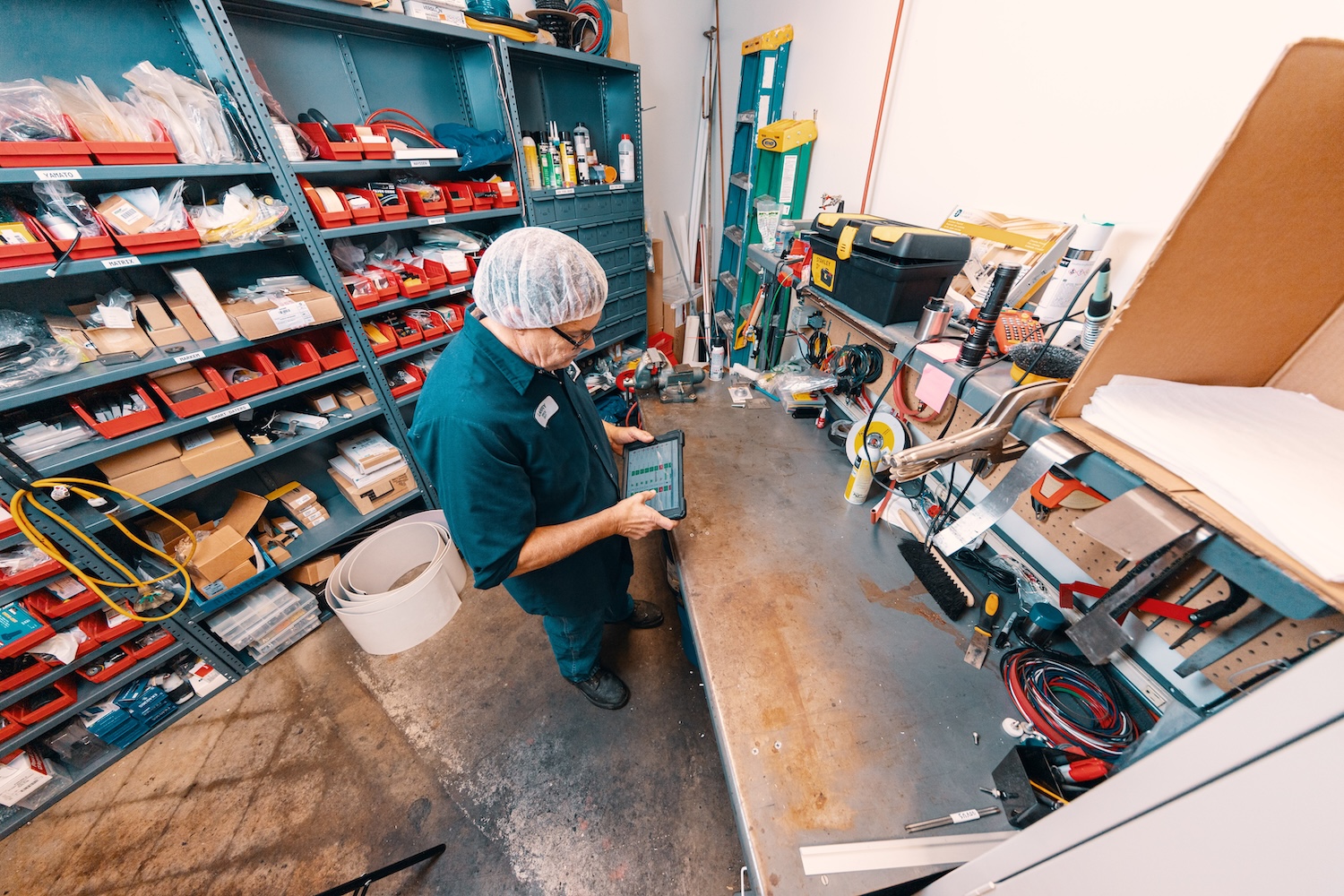
- Update logs immediately at the point of work: Record details right after finishing a task rather than relying on memory at the end of a shift. With a digital platform, technicians can use mobile devices to log work directly and immediately from the factory floor.
- Write specific, detailed entries: Avoid generic phrases like "performed PM" or "fixed machine," which offer no future diagnostic value. Detail exact actions — specific torque specs or parts replaced — to create a record for future troubleshooting.
- Review log data on a recurring schedule: Set a monthly or quarterly schedule to analyze log entries on critical assets, so you can spot emerging failure trends, recurring part breakdowns, and opportunities to optimize preventive service intervals.
- Archive records to satisfy compliance requirements: Store completed logs according to your industry’s regulatory retention guidelines. Digital archives protect historical entries and allow instant retrieval during safety and quality audits.
Advantages of Equipment Maintenance-Log Software
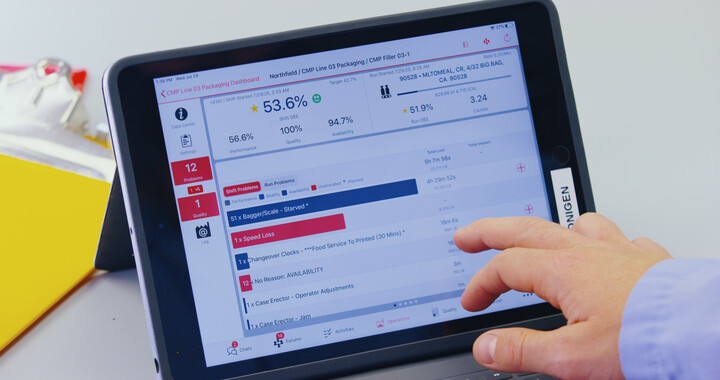
Equipment maintenance-log software automates record-keeping by instantly linking maintenance logs directly to digital work orders and preventive maintenance workflows.
The software automatically records dates, time spent, parts consumed, and technician sign-offs the moment a digital work order closes. This creates a continuous, centralized record for every piece of equipment without extra administrative overhead.
Digital log software far outperforms paper forms and spreadsheets by
- Eliminating lost records, illegible handwriting, and manual data entry errors.
- Triggering automatic preventive maintenance reminders, updating inventory levels in real time, and generating instant audit trails.
- Allowing technicians to update records — attaching photos, scanning QR tags, and recording observations — straight from their mobile devices at the point of work.
What To Look for in Equipment Maintenance Log Software
When selecting equipment maintenance log software, prioritize features that eliminate manual data entry and streamline team workflows.
- Automated log population generates detailed historical entries automatically as soon as technicians close digital work orders.
- Mobile accessibility enables technicians to log work, scan QR tags, and view asset history directly from the shop floor.
- Searchable asset history allows managers to instantly filter past repairs, parts used, and dates across specific equipment.
- Document and photo support captures visual proof of equipment condition, component wear, and complete repair invoices.
- Preventive maintenance integration triggers calendar or meter-based service alerts to maintain regular maintenance cycles.
- Audit-ready compliance exports organized, timestamped records with electronic signatures for immediate regulatory reviews.
- Analytics and reporting automatically tracks KPIs such as mean time between failures (MTBF) and total cost of ownership.
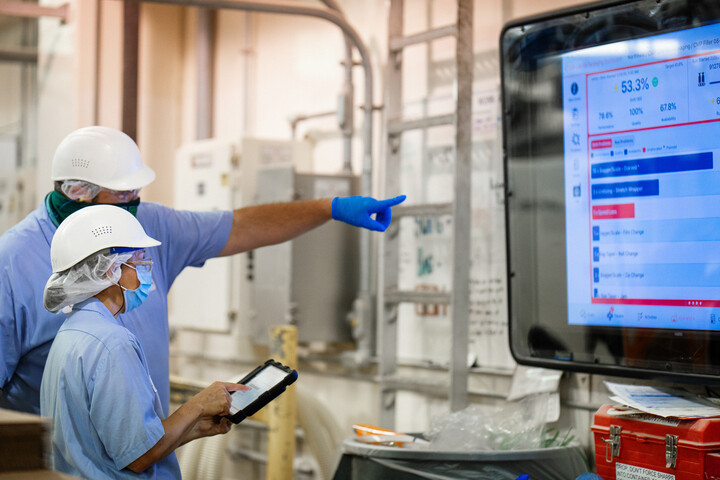
- Frontline and shift-level visibility connected workforce software flags machine anomalies and allows frontline operators to create work orders for maintenance to pick up. AI-native software can even create work orders automatically for faster problem resolution.
Ready To Retire the Clipboard?
Redzone's Connected Workforce Solution turns equipment maintenance logs from a manual chore into an automatic byproduct of daily work. Logs populate instantly when technicians close a digital work order — no rekeying, no illegible handwriting, no lost history. Book a demo to see how connected teams turn service records into a real-time asset for your entire plant.

Frequently Asked Questions
What is the difference between a work order and a maintenance log?
A work order is an authorization document that schedules and describes a specific maintenance task before technicians perform the work. A maintenance log is the historical record of completed work. Modern CMMS platforms automatically populate the asset's maintenance log once a technician closes a digital work order.
Why is keeping a detailed equipment maintenance log important?
Maintenance logs turn isolated repairs into actionable data that helps teams spot recurring failure patterns, reduce troubleshooting time, and validate warranty claims. They also provide plant managers with objective repair-versus-replace cost data and give auditors concrete proof of compliance with safety and quality regulations.
How long should a facility retain equipment maintenance records?
Facilities should retain equipment maintenance records for the entire operational life of the asset, plus any additional retention period required by industry regulators. Governing frameworks such as OSHA, FDA, or ISO guidelines often specify mandatory retention periods (typically ranging from 3 to 7 years post-decommissioning) to satisfy safety and quality audits.
Are digital maintenance logs better than paper or Excel spreadsheets?
Yes, digital maintenance log software outperforms paper forms and spreadsheets by allowing technicians to update records in real time using mobile devices on the shop floor. It also automatically triggers preventive maintenance alerts and generates instant audit trails.