Trusted by 2,000+ factories worldwide
to drive productivity and connect frontline teams with AI where the work happens.





Industry Challenges
A total productive maintenance (TPM) program is only as real as the routines that actually happen on the floor every shift.
Maintenance Teams Are Understaffed
Too few technicians cover too many lines, so anything that isn't an emergency waits — leaving the small stuff to grow into yet another emergency.
Operators Can't Catch Problems Early
The people standing at the machine are best positioned to notice a problem first, but without training or a system, nobody captures that early warning in time to prevent a failure.
Autonomous Maintenance Routines Exist Only on Paper
A TPM binder full of cleaning and inspection checklists doesn't help if nobody completes them shift after shift.
Small Fixes Stall Waiting for a Technician's Time
Basic tasks an operator could handle in minutes sit in a queue behind bigger jobs, waiting on a stretched maintenance team to get free.
Redzone's Solution
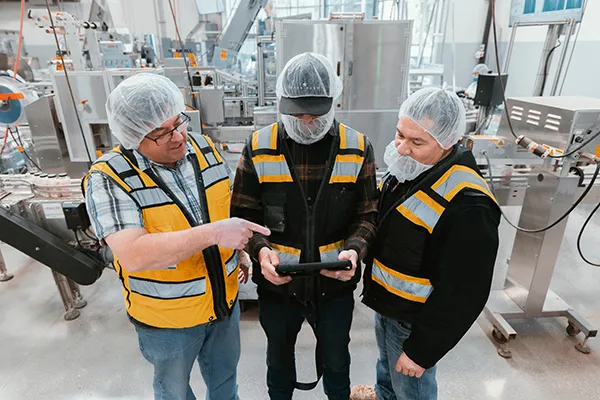
Redzone builds TPM and autonomous maintenance into the daily routine, so operators and technicians share the load instead of maintenance carrying it alone.
Integrate TPM and Autonomous Maintenance Routines
Record Operator Inspections and Basic Care With Guided Checklists
Guide Operators Through Tasks at the Point of Use
Track Real-Time Autonomous Maintenance
Document Workforce Training, Skills, and Certifications
Who It’s For
Plant leaders who need to optimize and stretch their maintenance resources across the factory.
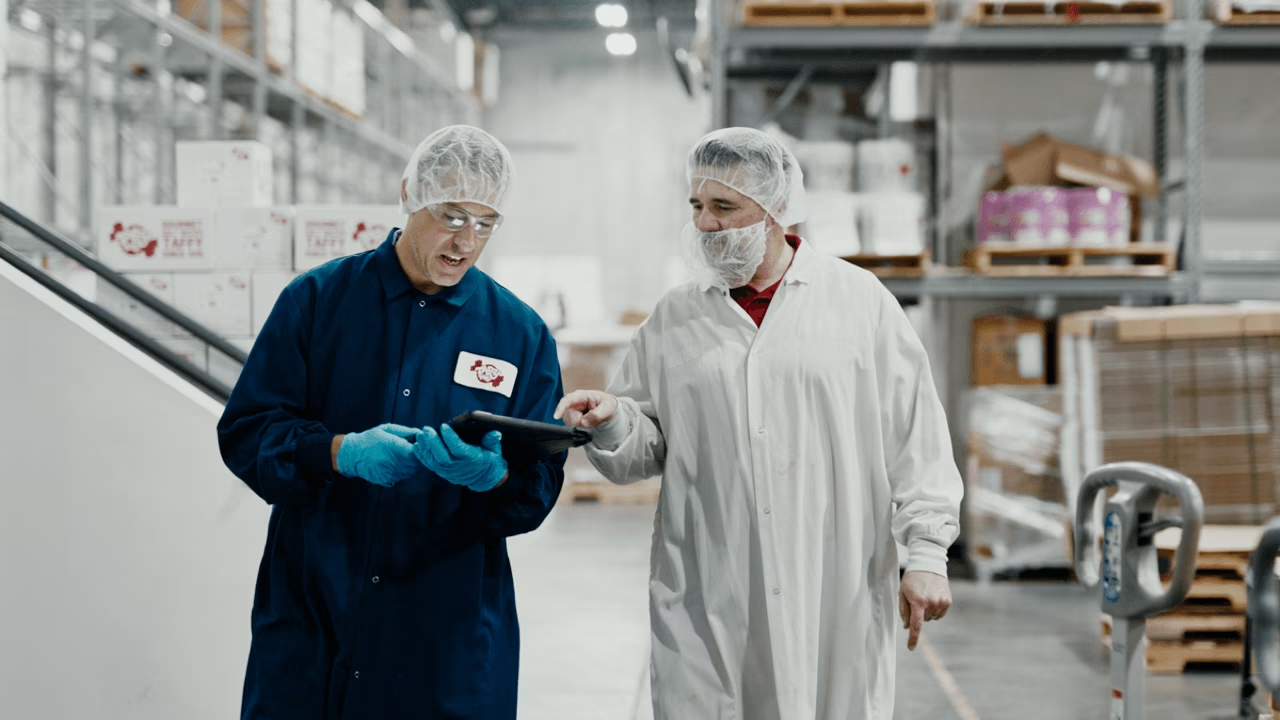
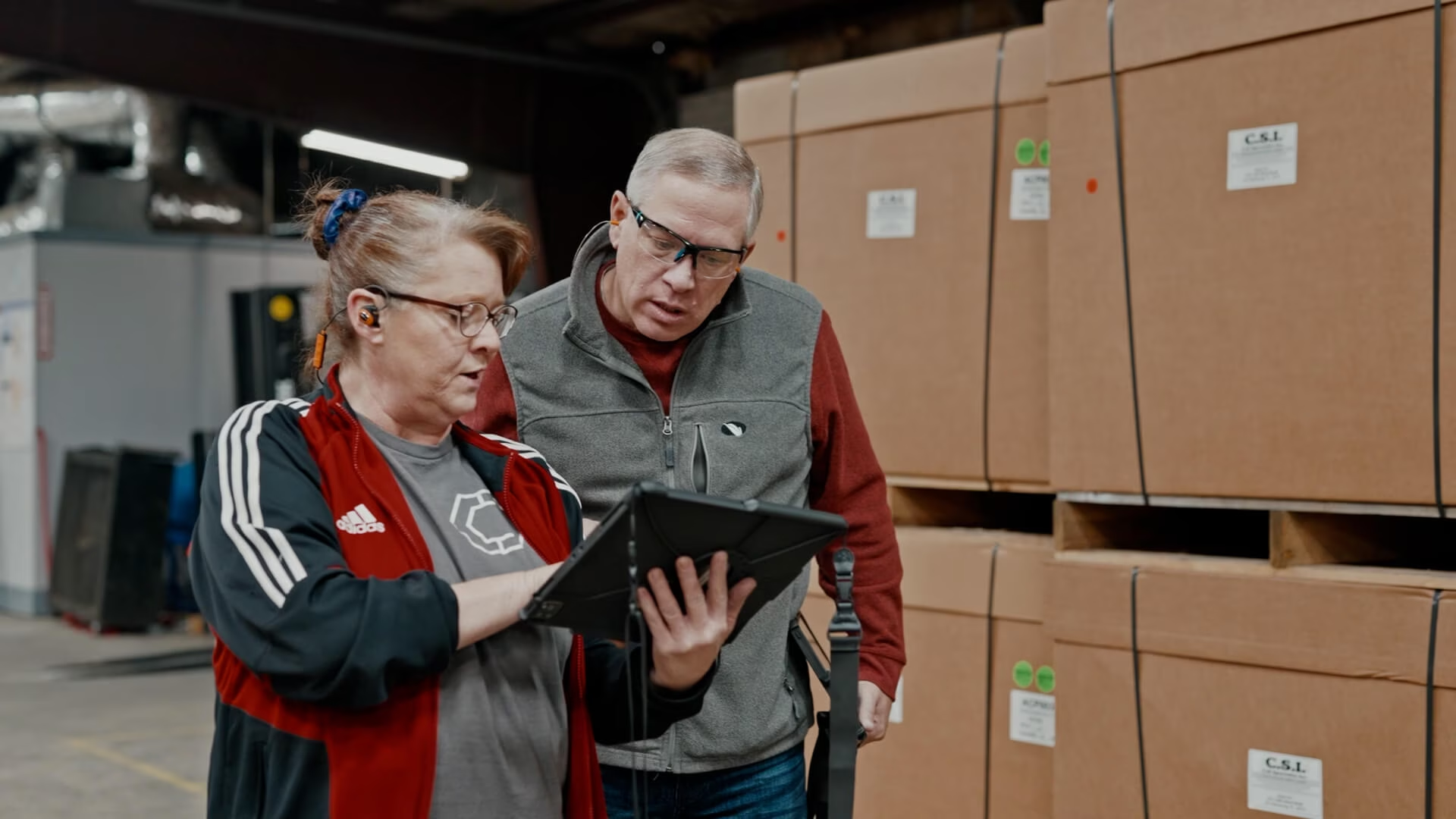
Redzone's straightforward interface means most operators can complete their first guided autonomous maintenance task in their first shift with the software, no lengthy training required.
Plant Managers need better equipment reliability to hit tough cost and production targets.
Maintenance leaders need routine care off their plate, so they can focus on serious repairs.
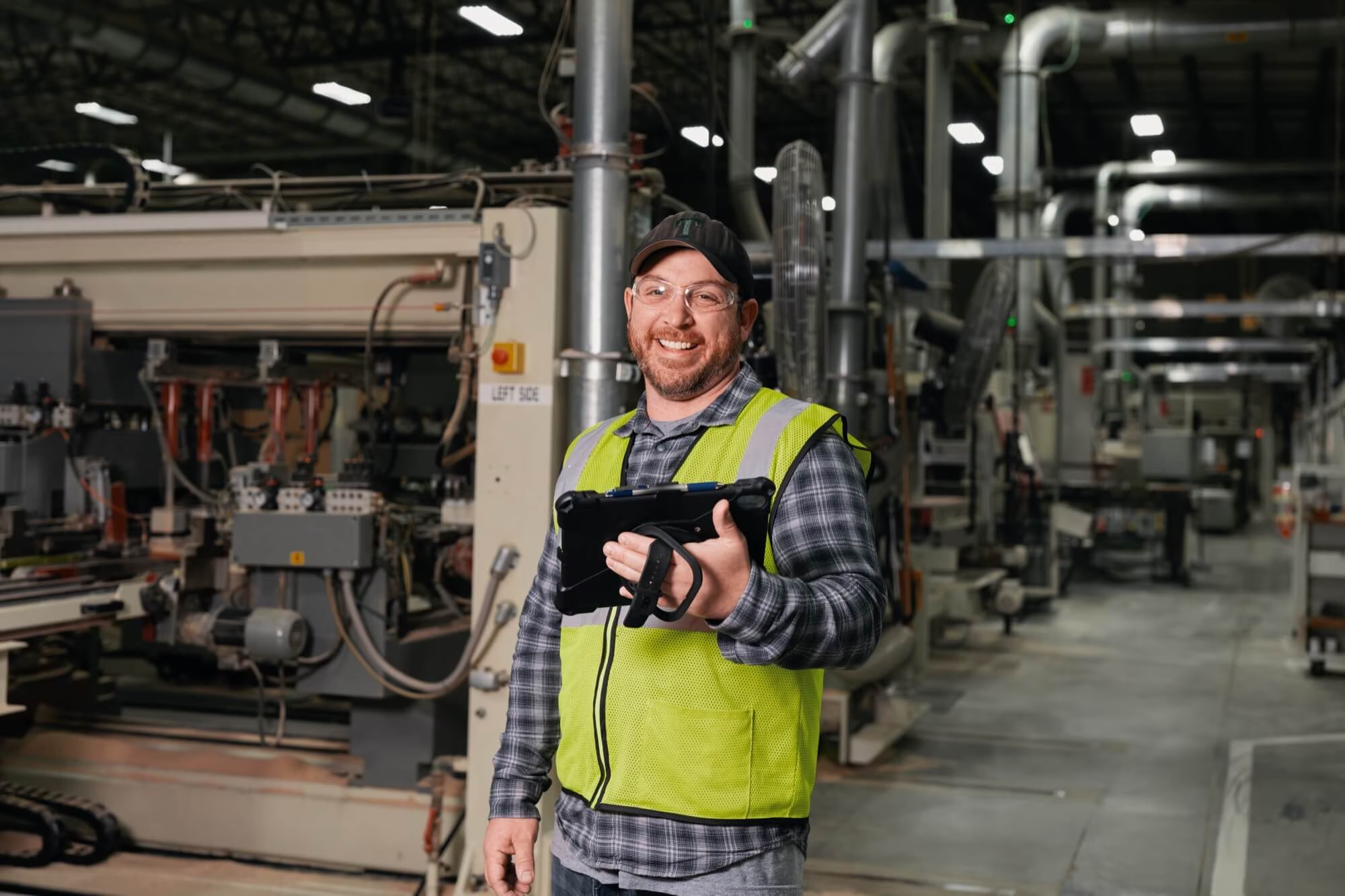
Operators share responsibility for equipment care, instead of just waitong for a machine to break.


.png)



.avif)
Frequently Asked Questions
Didn’t find what you need? View the full FAQ.
What is total productive maintenance (TPM)?
Total productive maintenance is a maintenance strategy built around the whole production team — operators included — to keep equipment running optimally through shared routines like autonomous maintenance.
What is TPM software?
TPM software schedules and tracks the routines a total productive maintenance program depends on, such as operator-led inspections and basic care tasks, so they actually happen instead of just sitting in a binder.
What are the 8 pillars of TPM?
The 8 TPM pillars include autonomous maintenance, planned maintenance, quality maintenance, focused improvement, early equipment management, training, safety, and administrative TPM.
What is autonomous maintenance in manufacturing?
Autonomous maintenance is a TPM practice where operators handle routine care tasks like cleaning, inspecting, and lubricating (CIL) equipment, freeing technicians to focus on more complex repairs.
How does TPM help understaffed maintenance teams?
By shifting routine cleaning, inspection, and basic care to trained operators, TPM frees a maintenance team to focus on the more technical repairs only they can do.